Jump to
- Understanding what you’ve inherited
- Step 1: Organize and document everything
- Step 2: Get professional testing and verification
- Step 3: Understand how value is determined
- Step 4: Identify hidden high-value items
- Step 5: Choose the right selling option
- Step 6: Avoid common mistakes
- Step 7: Understand the emotional side of selling
- Step 8: Consider tax and legal implications
- What to expect during a professional evaluation
- Why a private, appointment-based experience matters
- When is the best time to sell?
- Frequently asked questions
Inheriting gold, silver, jewelry, or coin collections often brings a mix of emotions. These items may carry deep sentimental value, yet they can also represent significant financial opportunity. Many families find themselves unsure where to begin, asking practical questions about authenticity, value, and how to sell safely without being taken advantage of.
This article expands on the fundamentals of evaluating and selling inherited precious metals. It provides a clear, step-by-step approach to help individuals understand what they own, avoid common mistakes, and confidently convert estate assets into fair market value. Whether dealing with a small jewelry box or a full estate collection, the goal is to replace uncertainty with clarity and confidence.
Understanding What You’ve Inherited
Before making any decisions, it is essential to identify exactly what is in the collection. Inherited items often include a mix of materials, styles, and values that are not immediately obvious.
Common Types of Inherited Precious Metals
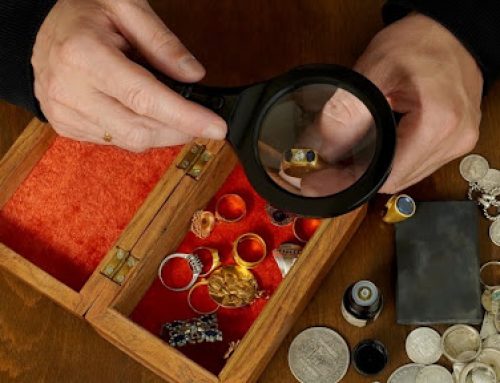
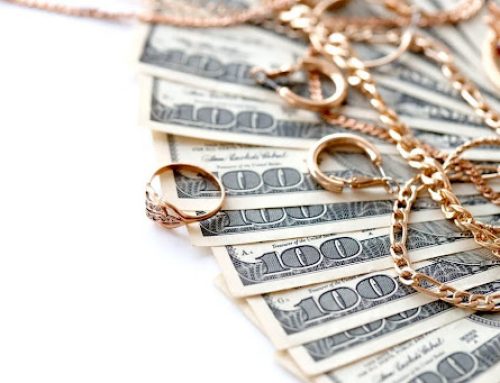
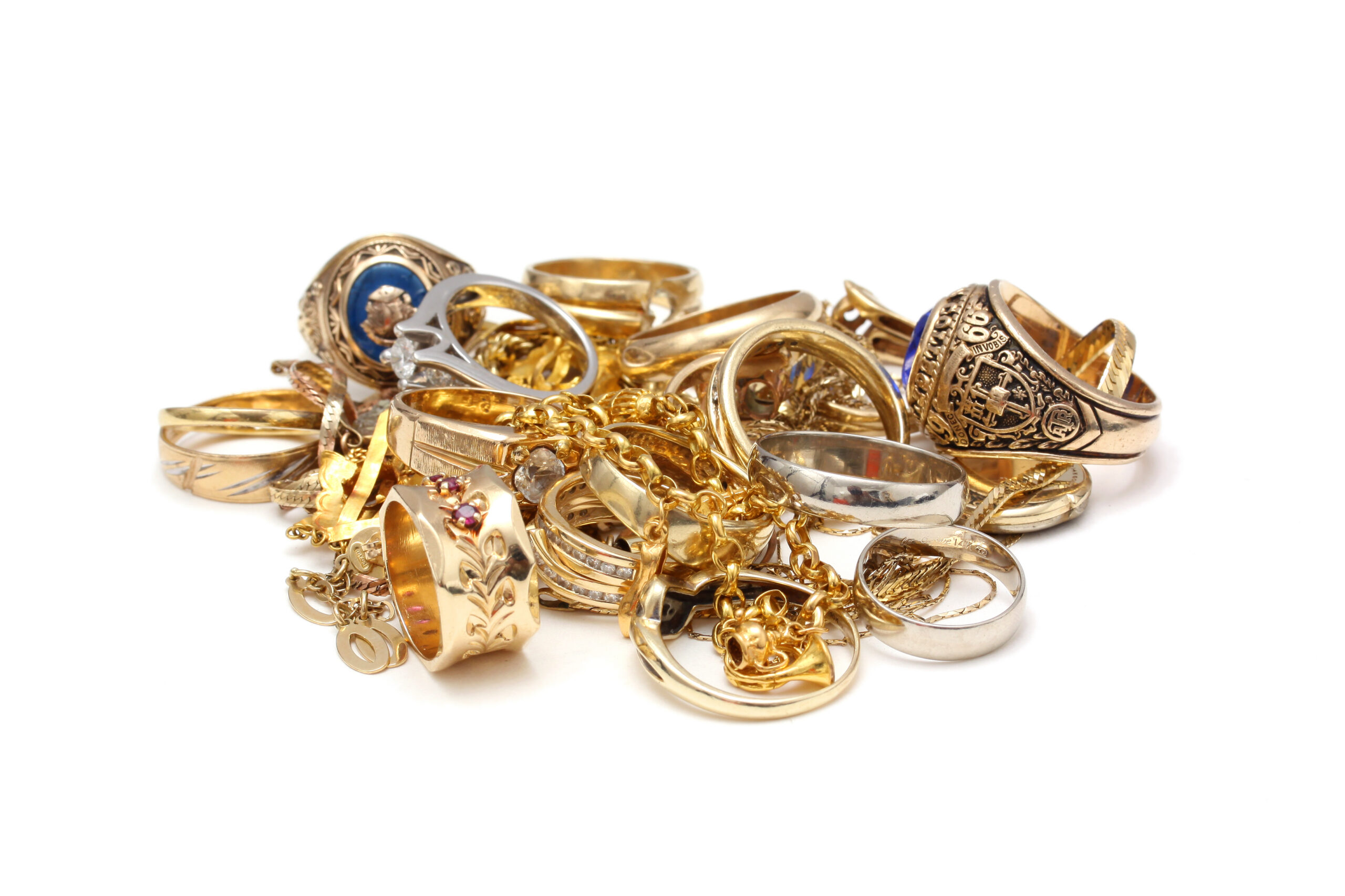
- Gold jewelry such as rings, chains, bracelets, and watches
- Silver flatware, tea sets, and serving pieces
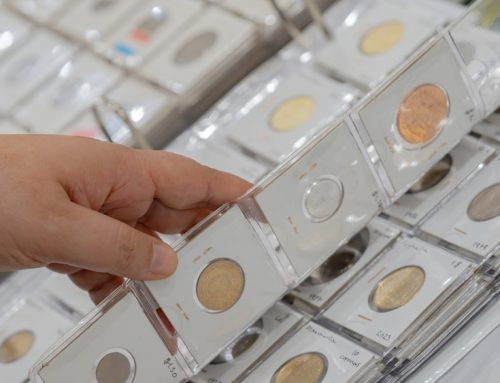
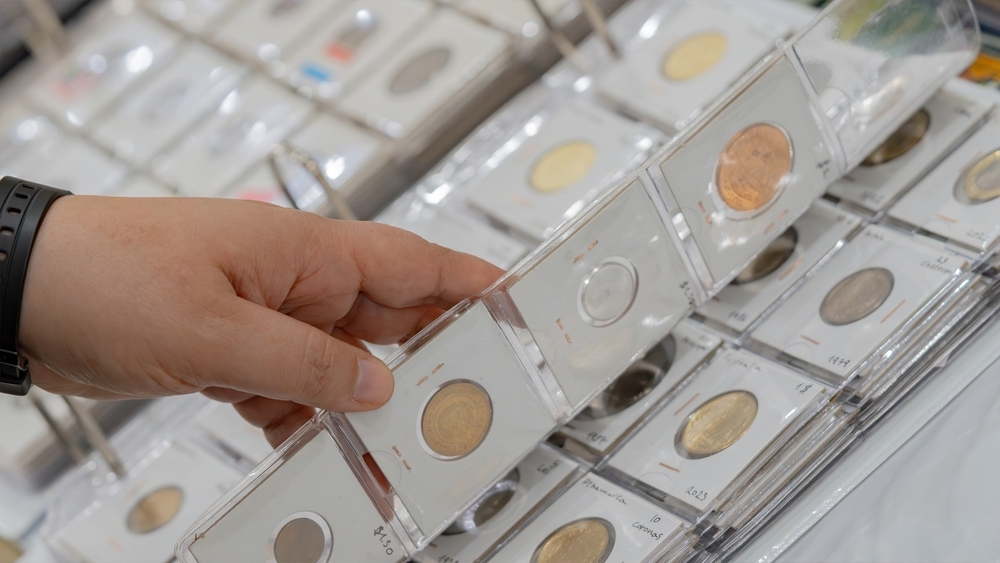
- Coins, including collectible and bullion types
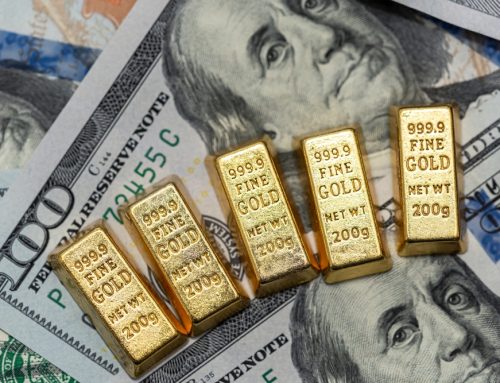
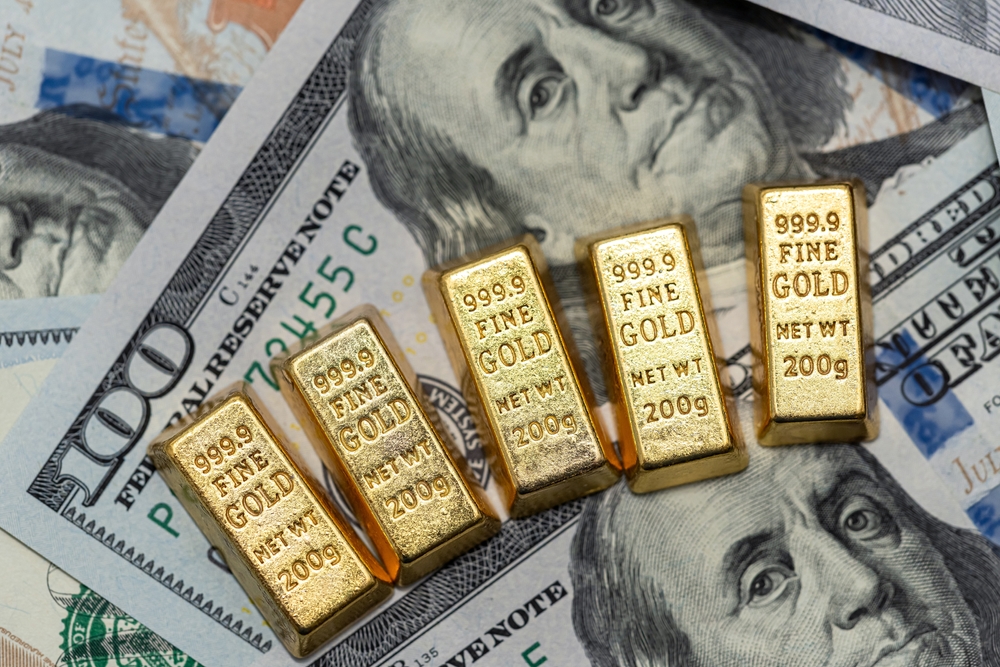
- Gold and silver bars or rounds
- Mixed “scrap” items such as broken jewelry or single earrings
Each category is valued differently. Some items are worth only their metal content, while others may carry additional value due to rarity, craftsmanship, or historical significance.
Why First Impressions Can Be Misleading
It is common for valuable items to appear dull, tarnished, or outdated. High-quality gold does not tarnish easily, but decades of storage can affect its appearance. Similarly, older jewelry may look like costume pieces but contain high-purity metals.
On the other hand, not all older items are valuable. Many pieces of costume jewelry were mass-produced and contain little to no precious metal. This is why professional evaluation is critical.
Step 1: Organize and Document Everything
Before seeking a buyer or appraisal, take time to organize the collection.
How to Create a Simple Inventory
- Separate items by type: gold, silver, coins, and miscellaneous
- Look for markings such as karat stamps (10K, 14K, 18K) or “925” for silver
- Weigh items if possible using a digital scale
- Take clear photos of each piece
- Note any known history or origin
This process not only helps with valuation but also ensures transparency if multiple family members are involved in estate decisions.
Secure Storage Matters
Precious metals are compact and valuable, making them easy targets for theft. Until evaluation or sale:
- Store items in a home safe or safe deposit box
- Avoid leaving valuables unattended during sorting
- Limit who has access during the process
Step 2: Get Professional Testing and Verification
One of the most important steps is confirming what is real and what is not.
Why DIY Tests Are Not Reliable
Common methods like the magnet test are often misleading. While gold is not magnetic, many non-gold materials also do not react to magnets. Relying on these methods can lead to costly mistakes.
What Professionals Use
Reputable buyers use non-destructive testing methods such as:
- X-ray fluorescence (XRF) technology
- Acid testing for verification
- Precision scales for accurate weight measurement
These tools provide accurate results without damaging the items.
Key Markings to Look For
- Gold: 10K, 14K, 18K, 24K, or numerical equivalents like 585 or 750
- Silver: Sterling or 925
- Platinum: PT, Plat, or 950
If markings are missing, testing becomes even more important.
Step 3: Understand How Value Is Determined
Many people assume that all gold and silver are valued the same way. In reality, pricing depends on multiple factors.
The Three Main Value Categories
- Scrap Value: Based purely on metal content, weight, and current market prices.
- Bullion Value: Applies to coins and bars, tied closely to live gold and silver prices.
- Resale or Collector Value: Applies to rare coins, designer jewelry, or antique pieces that may exceed melt value.
Most buyers focus only on scrap value, but some items can be worth significantly more if evaluated correctly.
Why Market Prices Matter
Gold and silver prices fluctuate daily. Buyers typically base offers on current market rates, adjusted for purity and weight. This is why offers may vary slightly from day to day.
Step 4: Identify Hidden High-Value Items
Not everything should be sold as scrap. Some pieces deserve closer attention.
Items That May Be Worth More Than Melt Value
- Antique or vintage jewelry
- Designer or signed pieces
- Rare or collectible coins
- Jewelry with high-quality gemstones
A knowledgeable buyer will recognize these items and factor their additional value into the offer.
Silver Flatware: An Overlooked Asset
Many families inherit silverware sets that sit unused for years. These items can represent significant value.
How to Identify Valuable Silver
- Look for “Sterling” or “925” markings
- Check handles and undersides of utensils
- Weigh full sets for bulk value
Due to strong silver prices, even a single set can result in a substantial payout.
Step 5: Choose the Right Selling Option
Where you sell your items can directly impact how much you walk away with. Some options prioritize speed, while others focus on maximizing value. Knowing the difference helps you make a smarter decision.
Common Selling Options
- Local dealers: In-person evaluations with immediate offers and clear explanations
- Pawn shops: Fast cash but typically lower offers due to resale margins
- Auctions: Potential for higher prices on rare items, but slower and fee-heavy
- Online marketplaces: Broader reach but requires effort, risk, and time
- Mail-in services: Convenient but less transparent since you are not present
What Actually Matters When Choosing
Instead of focusing only on convenience, consider these key factors:
- Transparency: Can you see how your items are tested and priced?
- Speed: Do you need immediate payment, or can you wait?
- Risk level: Are you comfortable shipping valuables or dealing with buyers online?
- Item type: Is your collection mostly scrap metal or potentially collectible pieces?
For most estate situations, a reputable local buyer offers the most balanced approach. You get real-time answers, a clear breakdown of value, and the ability to make a decision on the spot without pressure.
Step 6: Avoid Common Mistakes
Selling inherited precious metals can be emotional, which sometimes leads to rushed decisions.
Mistakes to Watch Out For
- Selling too quickly without understanding value
- Not checking current gold and silver prices
- Accepting the first offer without comparison
- Assuming all items are scrap
- Trusting “cash for gold” advertisements without verification
Taking time to evaluate options can significantly increase the final payout.
Step 7: Understand the Emotional Side of Selling
Inherited items often carry sentimental meaning. It is important to separate emotional value from financial value when making decisions.
Practical Tips
- Set aside items with strong sentimental importance
- Discuss decisions with family members when appropriate
- Avoid pressure to sell immediately
Selling is not just a financial transaction. It is part of closing an important chapter.
Step 8: Consider Tax and Legal Implications
Inherited assets may have tax considerations depending on their value and how they are sold.
Key Points to Know
- Inherited assets often receive a stepped-up cost basis
- Taxes may apply if the value increases after inheritance
- Large transactions may require reporting
Consulting a qualified tax professional ensures compliance with current regulations.
What to Expect During a Professional Evaluation
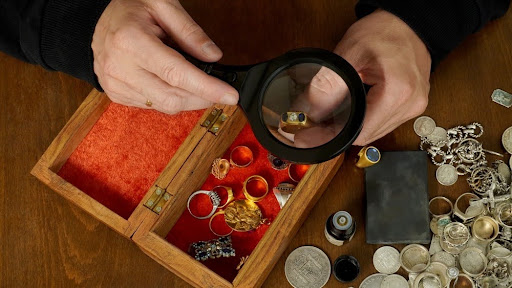
When working with a reputable buyer, the evaluation process should feel straightforward, informative, and transparent from start to finish. Rather than rushing through your items, a professional will take the time to carefully sort everything by metal type and purity, separating gold, silver, and any other materials. Each piece is then tested using specialized, non-destructive tools to verify authenticity and determine exact composition.
Once testing is complete, items are weighed with precision to ensure accuracy. A trustworthy buyer will then walk you through how value is calculated, explaining how factors like purity, weight, and current market prices influence the final offer. You should never feel pressured at this stage. A proper evaluation always ends with a clear, no-obligation offer, giving you the freedom to decide what feels right. Transparency throughout this process is one of the strongest indicators that you are working with a reliable professional.
Why a Private, Appointment-Based Experience Matters
Selling inherited valuables is not just a financial decision. It is often a personal one as well. Conducting this process in a crowded or public setting can feel uncomfortable, especially when dealing with items that carry both emotional and monetary value.
A private, appointment-based setting creates a more controlled and respectful environment. It allows for one-on-one attention, where questions can be answered clearly without distractions or time pressure. Your items are handled securely, and the entire experience is designed to prioritize both discretion and comfort. This type of setting also removes the pressure that can sometimes come with busy retail counters, giving you the space to make thoughtful, confident decisions.
When Is the Best Time to Sell?
There is no universally perfect moment to sell gold or silver, but timing can influence the outcome. Precious metal prices move with global markets, which means the value of your items can change from one week to the next. Economic conditions, inflation concerns, and investor demand all play a role in shaping these price fluctuations.
At the same time, personal circumstances often matter just as much as market timing. Some individuals choose to sell when they need liquidity, while others prefer to wait for favorable pricing conditions. While holding onto assets may seem like a way to maximize value, waiting too long can also introduce risk if market conditions shift unexpectedly. A balanced approach that considers both market trends and personal goals is usually the most practical.
Get Your Gold and Silver Evaluated in Smyrna, TN
If you are ready to find out what your inherited gold, silver, or jewelry is truly worth, the next step is to schedule a professional evaluation with a trusted expert. The Gold Rush Store provides private, one-on-one consultations designed to give clear answers without pressure. Each item is carefully examined, explained in detail, and priced based on current market conditions so you fully understand your options.
For more information or to get started, call (615) 893-2414 or schedule your private evaluation online today.
Frequently Asked Questions
How long does it take to sell inherited gold or silver?
In many cases, selling inherited gold or silver can be completed in a single visit when working with a reputable local buyer. The process typically includes sorting, testing, weighing, and receiving an offer, all during the same appointment. If you choose to accept the offer, payment is often issued immediately. Larger or more complex estates may take a bit longer to evaluate, especially if they include coins, collectibles, or items that require closer inspection, but most standard transactions are straightforward and efficient.
Is it better to sell all items at once or separately?
The best approach depends on the type of items in the collection. Selling everything together can be more convenient and faster, particularly if most pieces are being valued for their metal content. However, separating out items that may carry additional value, such as antique jewelry, designer pieces, or rare coins, can sometimes result in a higher overall return. A professional evaluation helps identify which pieces should be grouped together and which may benefit from being considered individually.
Can broken or damaged jewelry still be sold?
Yes, broken or damaged jewelry can still hold significant value if it contains gold, silver, or other precious metals. Buyers typically evaluate these items based on their weight and purity rather than their condition. This means that even single earrings, tangled chains, or heavily worn pieces can contribute to the total payout. In many cases, items that seem unusable still represent a meaningful portion of an estate’s overall value.
Do gemstones add value when selling inherited jewelry?
Gemstones can add value, but it depends on their type, size, quality, and current market demand. Larger diamonds or high-quality stones may increase the overall offer, while smaller or more common stones often have limited resale value in secondary markets. Some buyers focus primarily on the metal content, so it is important to work with someone who can properly assess both the metal and any stones. A thorough evaluation ensures that nothing of potential value is overlooked.
What documents are needed to sell inherited precious metals?
Most transactions require a valid government-issued photo ID to comply with local and state regulations. For larger estate sales or situations involving executors, additional documentation may be helpful or required, such as proof of ownership or estate authorization. Requirements can vary depending on the size of the transaction and local laws, so it is always a good idea to confirm in advance. Having the proper documentation ready helps ensure a smooth and efficient process.