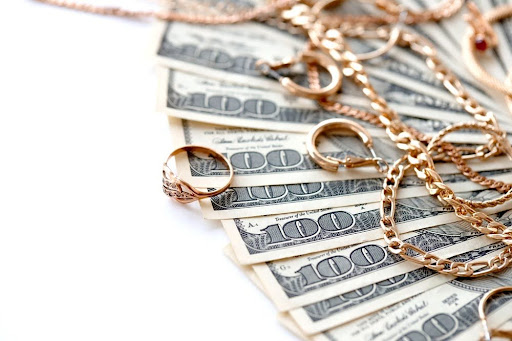
Gold jewelry often holds value far beyond its appearance. Old necklaces sitting in a drawer, broken bracelets, outdated rings, and single earrings can all turn into cash when sold to a trusted local gold buyer. With gold prices remaining strong in recent years, many people in the Nashville area are choosing to sell unused jewelry for extra income, debt relief, home projects, or unexpected expenses.
Still, selling gold jewelry can feel intimidating if it is your first time. Many sellers worry about getting low offers, misunderstanding how gold is priced, or dealing with buyers who are not transparent. Understanding the process before walking into a gold buyer’s office can help avoid confusion and make the experience far more comfortable.
This article explains exactly how to sell gold jewelry in Nashville, Tennessee, including what types of items can be sold, how gold is valued, what documents to bring, and how to recognize a fair offer. It also covers common mistakes sellers should avoid and why working with a reputable local gold buyer is often the best option.
In This Guide
- What Types of Gold Jewelry Can You Sell?
- Understanding Gold Purity
- How Gold Is Weighed and Priced at a Local Dealer
- What to Bring When Visiting a Gold Buyer
- How to Read a Gold Offer and Know If It’s Fair
- Common Mistakes to Avoid When Selling Gold Jewelry
- Frequently Asked Questions
What Types of Gold Jewelry Can You Sell?
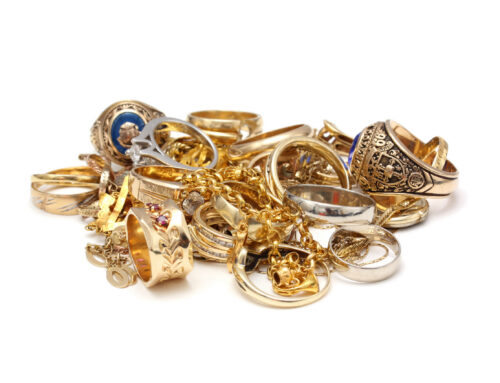
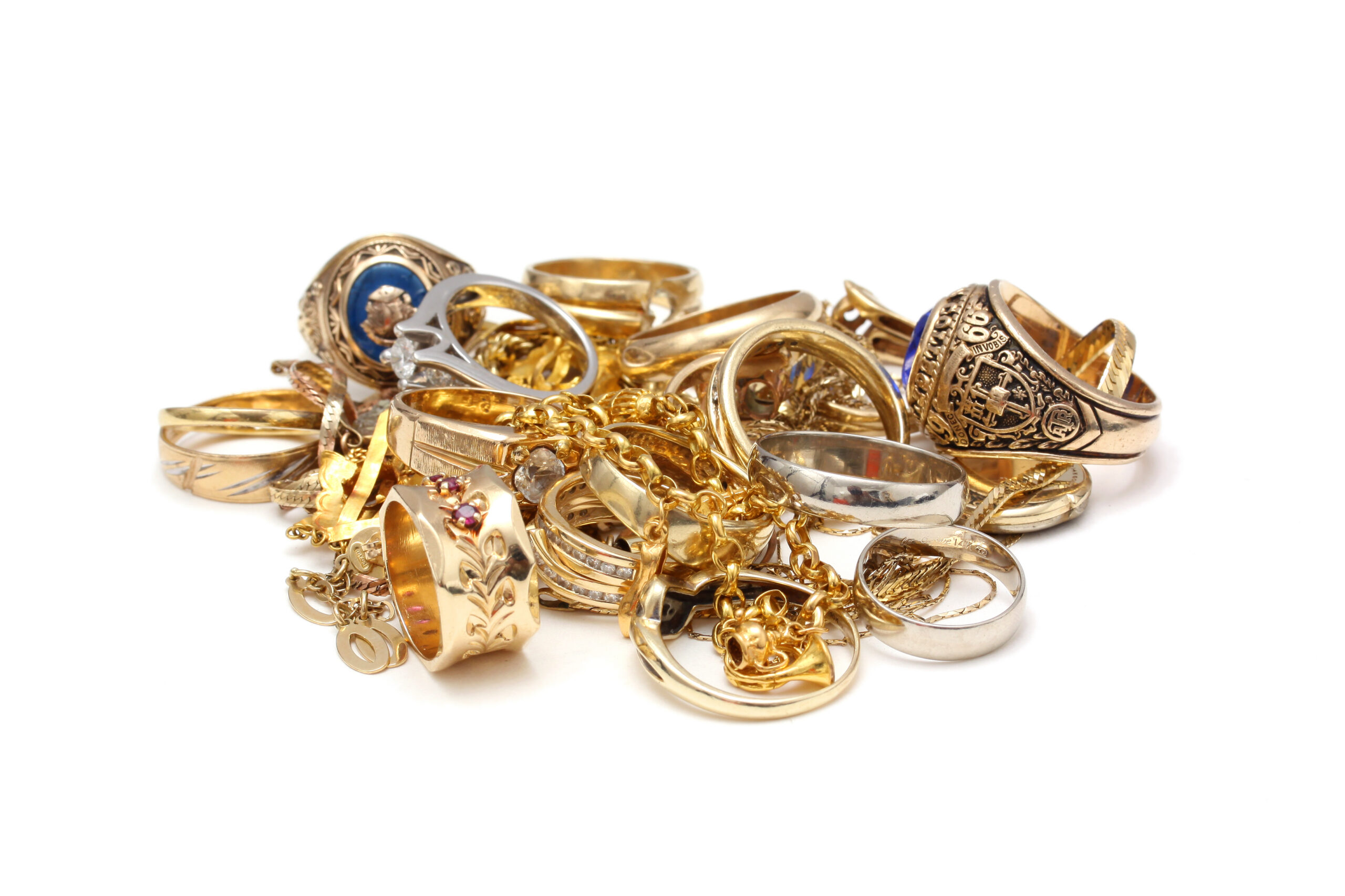
Many people assume only expensive or high-end jewelry has resale value. In reality, most gold jewelry can be sold, even if it is damaged, mismatched, or outdated.
Local gold buyers commonly purchase:
- Gold chains
- Wedding bands
- Engagement rings
- Bracelets
- Earrings
- Pendants
- Charms
- Class rings
- Antique jewelry
- Estate jewelry
- Broken jewelry
- Scrap gold
Understanding Gold Purity
One of the biggest factors affecting value is purity. Gold jewelry is usually stamped with a karat marking that indicates how much pure gold the piece contains.
Common gold purities include:
- 10K gold: 41.7% pure gold
- 14K gold: 58.3% pure gold
- 18K gold: 75% pure gold
- 22K gold: 91.6% pure gold
- 24K gold: 99.9% pure gold
Higher-karat jewelry generally has more value because it contains more pure gold.
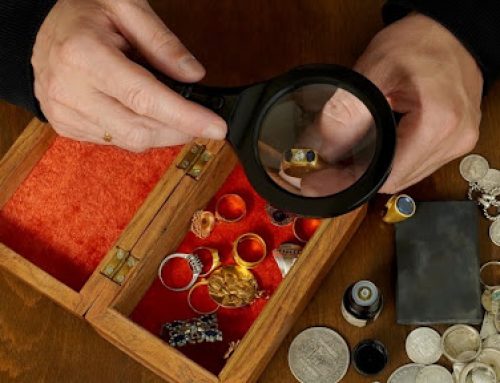
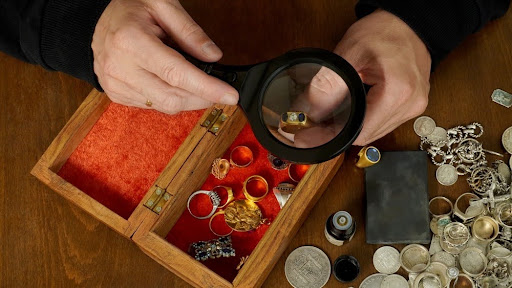
Most gold buyers test every piece individually to confirm purity. Even if a piece does not have a visible stamp, a reputable buyer can still evaluate it using professional testing methods.
Broken Jewelry Still Has Value
Many first-time sellers are surprised to learn that damaged jewelry can still be worth significant money. Gold buyers primarily focus on the amount of gold contained in a piece rather than its cosmetic condition. Tangled necklaces, bent rings, broken clasps, scratched jewelry, single earrings, and pieces with missing stones may still carry strong value if they contain genuine gold. Even items that appear worn out or unusable can often be evaluated for their melt value based on purity and weight.
Some Pieces May Be Worth More Than Melt Value
Not every gold item is valued strictly for its scrap content. Certain jewelry pieces may carry additional resale value because of factors such as designer branding, antique craftsmanship, collectible demand, estate jewelry appeal, or rare gemstones. In some cases, a buyer may offer more than standard melt value if the piece can be resold rather than refined. An experienced gold buyer should clearly explain whether an item is being purchased solely for its gold content or if its overall design and market appeal increase its value.
How Gold Is Weighed and Priced at a Local Dealer
Understanding how gold pricing works helps sellers feel more confident during the evaluation process.
Gold buyers typically determine value using three main factors:
- Gold purity
- Weight
- Current market price
Gold Is Usually Weighed in Grams
Most local gold buyers weigh jewelry in grams using certified digital scales. Because the heavier the item and the higher the purity, the greater the potential value, professional buyers will always separate your jewelry by karat before placing it on the scale. For example, a lightweight 10K chain contains relatively little pure gold compared to a heavy 18K bracelet, which holds substantially more raw precious metal value.
Understanding Spot Price
Gold pricing is heavily influenced by the “spot price” of gold, which is the current market value for pure gold.
Spot prices change daily based on:
- Global economic conditions
- Inflation
- Interest rates
- Investor demand
- International markets
Spot price refers to the market value of a troy ounce of pure gold, but sellers should not expect to receive the full spot price for jewelry because jewelry contains varying purity levels, and buyers must account for refining costs and business overhead.
Why Offers Differ Between Buyers
Not all gold buyers pay the same rates, which is why offers can vary from one business to another. Several factors influence how a buyer calculates an offer, including refining costs, business overhead, testing methods, local market competition, and overall industry experience. In some situations, a piece of jewelry may also carry additional resale potential, which can affect the final payout. Because pricing structures differ between buyers, it is often a smart idea to compare offers from reputable local businesses before making a final decision.
Transparency Matters
A trustworthy gold buyer should clearly explain every part of the evaluation process. This includes identifying the karat purity of each item, showing the total weight, discussing current market conditions, and explaining how the final offer was calculated. Sellers should feel comfortable asking questions throughout the process. If a buyer refuses to explain the evaluation, avoids discussing pricing details, or pressures someone into selling immediately, that is often a sign to proceed with caution.
What to Bring When Visiting a Gold Buyer
Preparing ahead of time can make the selling process smoother and faster.
A Valid Government-Issued ID
To comply with Tennessee state regulations and maintain a secure transaction trail, licensed gold buyers require you to present identification before completing a payout. Acceptable forms of valid, government-issued ID typically include:
- Driver’s license or official State ID card
- United States Passport
- Active or retired Military ID
Any Documentation You Have
Documentation is not always required, but it can sometimes help.
Helpful items may include:
- Original receipts
- Certificates of authenticity
- Diamond grading reports
- Jewelry appraisals
- Brand packaging
These documents may be especially useful for high-end jewelry or pieces with diamonds and gemstones.
Gather All Unused Jewelry First
Many people accidentally overlook valuable gold items tucked away in forgotten corners of their homes. Before visiting a dealer, gather your items by checking:
- Jewelry boxes and vanity organizers
- Old purses, clutches, and travel cases
- Dresser drawers and safe deposit boxes
- Attic storage bins and inherited family collections
Even single, lightweight pieces can add up to a significant financial payout when combined.
Know Your Goals Before Selling
Before visiting a gold buyer, it helps to think about what you want from the experience. Some sellers are looking for immediate cash, while others may want to compare multiple offers before making a decision. In some cases, sentimental jewelry may be better kept within the family, especially if the pieces carry emotional or historical significance. Certain items, particularly antique or high-end jewelry, may also deserve an independent appraisal before being sold. Taking time to consider these factors ahead of time can make the selling process smoother, less stressful, and more productive.
How to Read a Gold Offer and Know If It’s Fair
One of the biggest concerns sellers have is whether they are receiving a fair offer. Understanding a few basics can make evaluating an offer much easier.
Ask How the Jewelry Was Tested
Professional buyers often use multiple methods to verify purity, including:
- Acid testing
- Electronic gold testers
- X-ray analyzers
- Magnet tests
- Stamp verification
A transparent explanation shows professionalism and credibility.
Understand the Breakdown
A legitimate offer should include:
- Karat purity
- Weight
- Estimated gold content
- Market pricing considerations
Some buyers even separate items into categories to maximize value.
Compare Multiple Offers
Getting more than one quote is often a smart decision, especially for larger collections. Comparing multiple offers can help sellers understand market value and avoid lowball pricing.
Watch for Pressure Tactics
A reputable gold buyer should never pressure someone into making an immediate decision. Selling gold should feel comfortable, transparent, and fully explained from start to finish. Sellers should be cautious if a buyer rushes the process, avoids answering questions, refuses to explain pricing methods, creates artificial urgency, or discourages comparison shopping. Trustworthy buyers understand that customers may want time to think, ask questions, or compare offers before moving forward. The best gold buyers focus on education, honesty, and transparency rather than high-pressure sales tactics.
Read Reviews Before Visiting
Customer reviews can provide valuable insight into a gold buyer’s reputation and overall experience. Positive reviews often highlight important qualities such as honest evaluations, friendly service, competitive payouts, respectful treatment, and clear communication throughout the process. If you’re in the Nashville area, The Gold Rush Store features customer feedback that consistently emphasizes professionalism, transparency, and fair pricing for gold jewelry and precious metals. Consistent positive reviews from real customers are often one of the strongest indicators that a business is trustworthy and reliable.
Common Mistakes to Avoid When Selling Gold Jewelry
Selling gold can be simple, but certain mistakes can cost sellers money or create unnecessary frustration.
Selling Without Knowing What You Have
Some sellers rush into transactions without understanding their jewelry’s purity or potential value.
Before visiting a buyer:
- Check for karat stamps
- Separate gold from costume jewelry
- Research current gold prices
- Identify any designer pieces
A little preparation can lead to better conversations and better outcomes.
Assuming Broken Jewelry Has No Value
Damaged jewelry is still valuable if it contains gold.
Many people throw away:
- Broken chains
- Single earrings
- Bent rings
- Loose gold pieces
These items often still carry melt value.
Focusing Only on Spot Price
Spot price is important, but it does not directly equal payout.
Buyers must account for:
- Refining expenses
- Operating costs
- Market fluctuations
- Purity differences
Understanding this helps set realistic expectations.
Choosing Convenience Over Reputation
Quick cash offers from unknown buyers can sometimes lead to disappointing payouts.
Always research:
- Online reviews
- Business reputation
- Licensing
- Experience
- Transparency
An established local gold buyer with strong community trust is usually a safer choice.
Mailing Valuable Jewelry Without Research
Online gold buyers may seem convenient, but mailing valuables introduces risks such as:
- Shipping issues
- Delayed evaluations
- Lower-than-expected offers
- Limited communication
- Insurance concerns
Some online buyers are reputable, but many sellers prefer face-to-face evaluations where they can ask questions directly.
Why Selling Locally Beats Pawn Shops and Online Buyers
Many people automatically think of pawn shops or online mail-in companies when selling gold. However, specialized local gold buyers often provide a better overall experience.
Local Buyers Often Specialize in Precious Metals
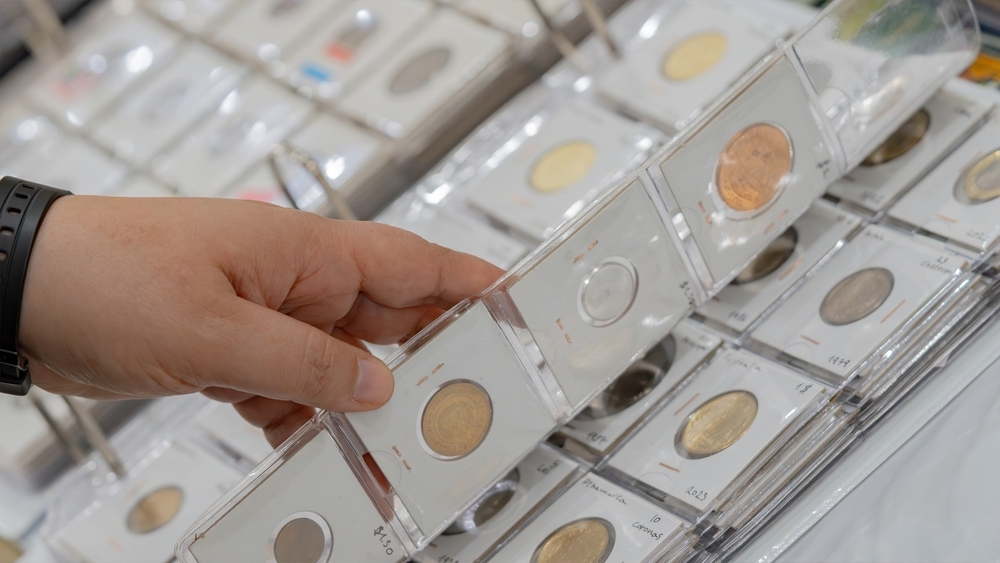
Unlike general pawn shops, dedicated gold buyers focus specifically on:
- Gold jewelry
- Precious metals
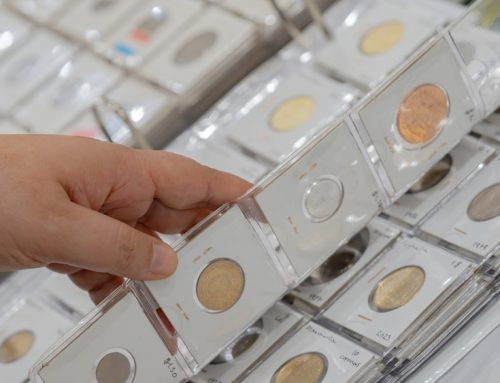
- Coins
- Bullion
- Diamonds
This specialized knowledge can lead to more accurate evaluations and stronger offers.
Face-to-Face Transparency
Working with a local buyer allows sellers to:
- Watch the evaluation process
- Ask questions in real time
- Understand testing methods
- Receive immediate explanations
This level of transparency is difficult to replicate online.
Faster Payments
Local gold buyers commonly offer same-day payments after an agreement is reached.
More Privacy and Security
Many local gold buyers offer a more private and secure experience compared to crowded retail counters or busy pawn shops. One-on-one consultations allow sellers to ask questions comfortably, review their items carefully, and discuss offers in a more relaxed setting. For many people, privacy and peace of mind are just as important as receiving a competitive payout.
Supporting Local Businesses
Selling gold locally also helps support businesses within the surrounding community. Established local buyers often depend heavily on customer relationships, repeat business, and long-term reputation. Because of this, many local gold buyers place a stronger emphasis on customer service, transparency, and fair treatment throughout the selling process.
Ready to Sell Gold Jewelry in Nashville?
Selling gold jewelry does not have to feel confusing or stressful. With the right preparation and a trusted local buyer, the process can be simple, transparent, and rewarding.
Whether it is broken jewelry, inherited pieces, old wedding bands, or unused gold sitting in a drawer, understanding how gold is weighed, priced, and evaluated helps sellers make informed decisions with confidence.
The Gold Rush Store has built a strong reputation throughout the Nashville and Smyrna area for honest evaluations, competitive payouts, private consultations, and respectful customer service. The store buys gold jewelry, coins, bullion, diamonds, and other precious metals while offering same-day offers and payments.
If you’re thinking about selling gold jewelry in the Nashville or Smyrna area, The Gold Rush Store offers a simple and transparent way to turn unwanted gold into cash. From broken chains to old wedding bands, customers can expect honest evaluations, competitive offers, and a comfortable selling experience without the pressure often found at larger chain buyers or pawn shops. Call (615) 893-2414 or schedule an appointment online to get started with a professional gold evaluation today.
Frequently Asked Questions
Is it better to clean gold jewelry before selling it?
Light cleaning can improve appearance, but harsh chemicals or aggressive polishing are not recommended. Professional buyers focus mainly on gold content and purity rather than shine. Over-cleaning can sometimes damage delicate pieces or gemstones.
Can gold jewelry with diamonds or gemstones still be sold?
Yes. Many gold buyers purchase jewelry containing diamonds, gemstones, or other precious materials. Depending on the quality and condition, the stones may add additional value beyond the gold itself.
How long does the gold-selling process usually take?
Most in-person evaluations are relatively quick. Simple transactions may take less than 30 minutes, while larger collections or estate jewelry evaluations may take longer, depending on the number of items involved.
Do gold buyers purchase white gold and rose gold?
Yes. White gold, rose gold, and yellow gold can all be sold. Although the colors differ because of alloy mixtures, the value is still largely based on purity and gold content.
Is there a best time of year to sell gold jewelry?
Gold prices fluctuate year-round based on global markets rather than seasons. Some sellers choose to monitor market trends and wait for stronger gold prices, while others sell when they need immediate cash or want to clear out unused valuables.
Can inherited gold jewelry be sold without an appraisal?
Yes. Most gold buyers can evaluate inherited jewelry without a prior appraisal. However, if a piece appears antique, rare, or collectible, obtaining an independent appraisal beforehand may sometimes be beneficial.

Leave A Comment